
Buying and choosing
Truffles in a restaurant: from choosing the product to the first service
To choose a truffle for the kitchen, match the species, documented origin and batch condition to your recipe. Examine the pieces, trial the preparation and calculate the cost per plate before the first order.
Published on
Updated
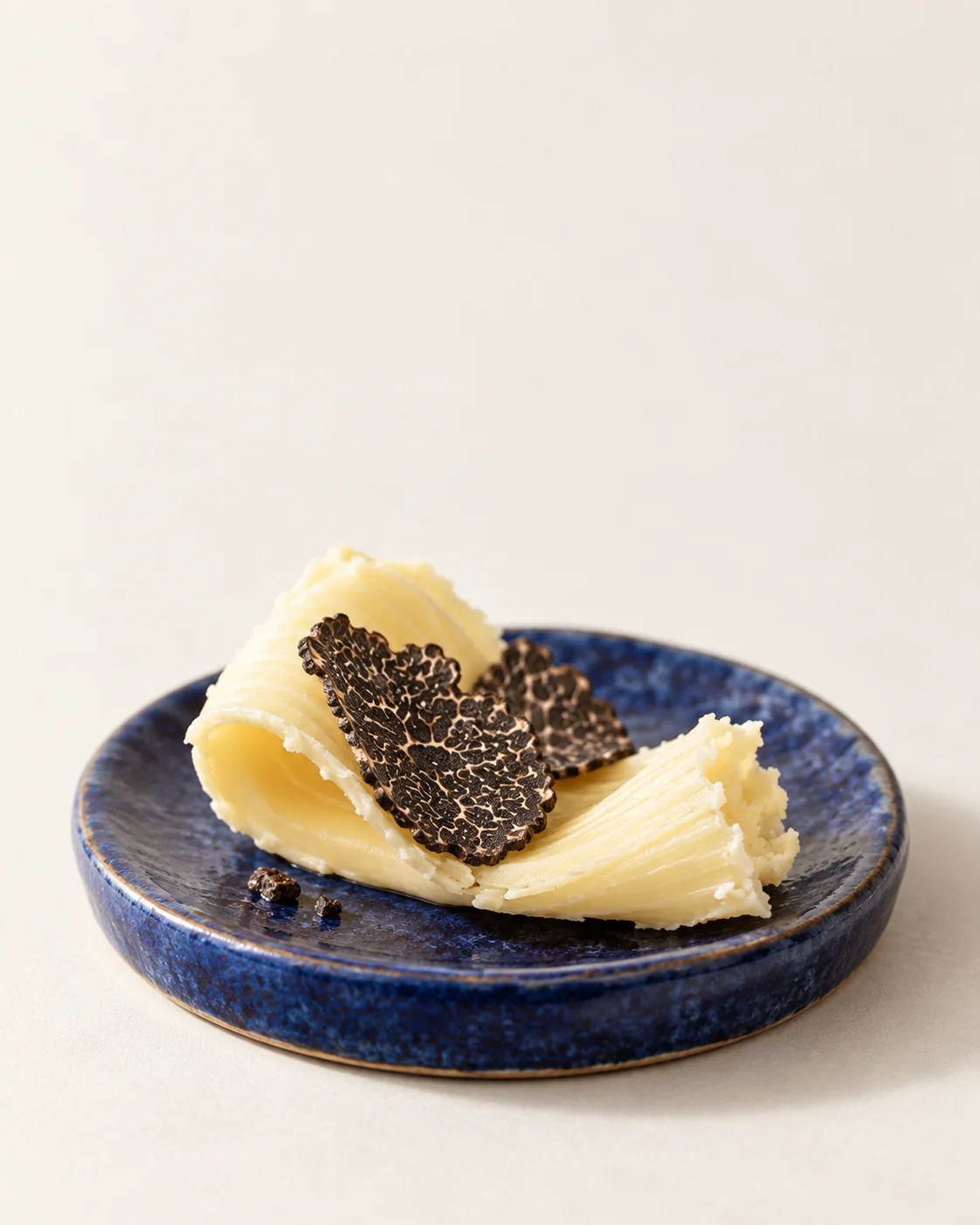
Let the dish determine the purchase
When buying truffles for a restaurant, first decide how and when you will serve them. Tableside slices, a chopped preparation and a banquet menu need different pieces and schedules. The price per kilo comes after that decision. Without a written use, the supplier has to guess your expectations and the kitchen discovers the constraints when cooking begins.
Write a working sentence: ‘We are preparing this dish for this service; the truffle will be added at this point.’ Add covers and your intended weight per plate. That weight is a recipe assumption to test, not a rule for every dish. You now have a requirement that can be discussed, weighed and costed.
Species and origin are separate facts
Ask for the product’s common and scientific names. The French order of 19 March 2015 links the names ‘black truffle’ and ‘Périgord truffle’ to Tuber melanosporum. Tuber brumale is a different species. Accepting a smaller piece and accepting another species are different changes: specify which you allow in your enquiry.
The species name does not establish where a truffle was harvested. The DGCCRF’s Joint Laboratory Service document on geographical origin explains this botanical distinction. If your menu announces French or Drôme truffles, ask for information about the actual delivered batch. The seller’s address alone does not prove the product’s origin.
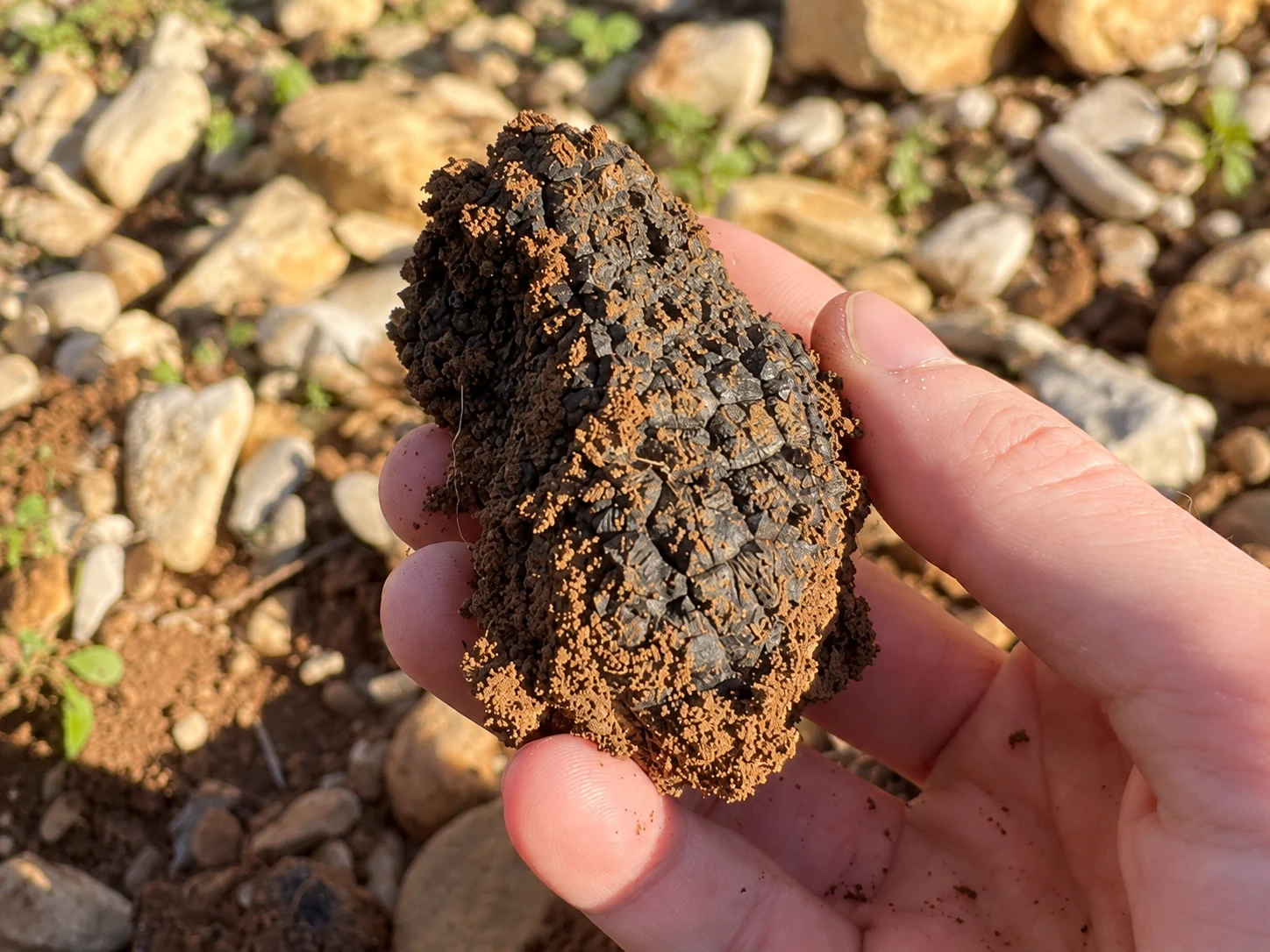
The visit prepares the team; the trial prepares the dish
In the grove, the team sees the dogs searching and can ask how the grower relates season, maturity and selection. Guest explanations become more concrete for front of house. The kitchen can discuss piece shapes and intended uses. That meeting does not replace a trial with your recipe, equipment and actual service pace.
For an initial trial, keep the preparation stable and record the weight, when it was added and the result at serving temperature. Changing sauce, quantity and batch together makes it difficult to identify what changed the dish. The DGCCRF advises using fresh truffle promptly and avoiding cooking that diminishes its aroma. That advice does not establish a universal storage period.
A photograph does not show the cost per plate
This is a hypothetical calculation, not a customer order: 24 plates at 6 g require 144 g of truffle. A second preparation for 12 plates at 4 g adds 48 g. The theoretical requirement is 192 g before testing and measuring actual losses. The 6 g and 4 g were selected for this example; they are not recommended weights for every recipe.
Calculate ingredient cost by dividing the batch invoice amount by the usable weight you actually record. Multiply that cost per gram by your portion weight. Keep transport charges visible in the calculation. A larger piece at a higher price may serve tableside slices; the premium needs to be justified by the use rather than size alone.
La Truffe française reviews professional supply by quotation: available batch, weight, use, collection or delivery feasibility. Public retail sales start at €60 per 50 g including tax, equivalent to €1,200/kg including tax, with a €50 minimum truffle order and buyer-paid delivery. That public rate does not describe a supplier agreement for your business.
Someone needs to receive the batch
The person ordering and the person receiving may be different. Share the ordered species, weight, accepted format, arrival window and supplier contact before the package arrives. Match these details to the product and paperwork on receipt. A precise concern about a piece or weight is more useful than simply saying the batch is disappointing.
Article 5 of the French decree of 30 January 2012 requires common and scientific names for fresh truffles; before final-consumer sale, these may appear on the packaging or relevant commercial documents. Retain them with your receiving record. Integrate supplied storage instructions into your kitchen’s hygiene procedures rather than inventing a new storage period because a truffle still looks attractive.
What front of house can tell guests
A straightforward explanation is enough: the product used, its origin when established and the chosen preparation. Avoid describing a particular hunt for a batch you cannot connect to it. Visit photographs document a real encounter; they do not certify the origin of every subsequent order.
In France, Article 7 of that decree requires visible, legible information on the truffle’s common name and any added flavouring, including on menus. Review the wording with the person selecting ingredients. A description printed before the product is confirmed can become inaccurate when the recipe changes.
Arrive with a service question
To prepare this conversation with us, request a three-hour discovery visit in Suze-la-Rousse: dogs searching on the ground, discussion and a tasting. The individual rate is €99 including tax; teams receive group pricing assessed by quotation, for up to 40 adults and children in total. Visits are by appointment only, with the precise meeting point shared after confirmation. The session guarantees no harvest. Your visit and any supply arrangements are agreed separately.
Sources and references
- Légifrance : décret n° 2012-129, articles 3, 5 et 7, version en vigueur vérifiée le 5 octobre 2026
- Légifrance : arrêté du 19 mars 2015, correspondance des noms usuels et scientifiques des truffes
- DGCCRF : truffes et produits truffés, fiche du 19 décembre 2025
- DGCCRF, Service commun des laboratoires : détermination de l’origine géographique des truffes
- La Truffe française : Truffle discovery for chefs