
Storage
Storing fresh truffles: chilling, timing and practical care
On arrival, chill the truffle according to its batch instructions. Start with a clean container, moisture checks and a planned meal date; no single storage period suits every truffle.
Written by the La Truffe française teamUpdated on
What should you do as soon as fresh truffles arrive?
Refrigerate the truffles promptly, following the temperature and storage instructions for the batch received. Use a clean, closed food container with dry absorbent paper. For their aroma, plan to cook them promptly without adding a waiting period to let them ‘ripen’. No storage time applies to every batch: if instructions are missing, ask the seller and specify your meal date.
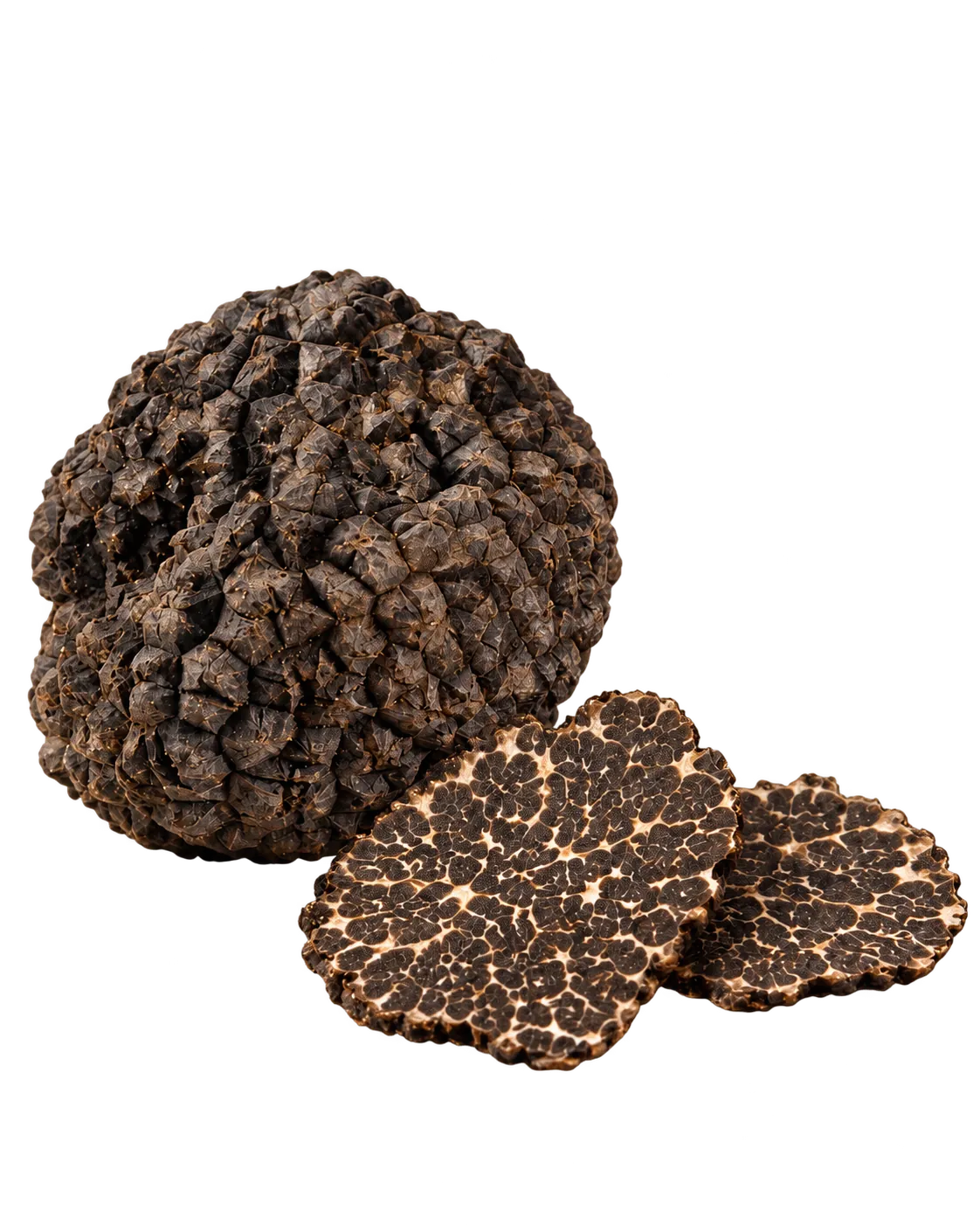
La Truffe française · Fresh truffles · batch-specific instructions
Updated
The topic guide : Cooking and storage
On arrival
- Read the batch instructions: product condition, storage temperature and storage time. If they are missing, ask the seller and give your planned meal date.
- Refrigerate the truffle promptly. Use a thermometer to check that the refrigerator’s coldest zone is between 0 and 4°C and follow the batch instructions.
- Use a clean, closed food container with dry absorbent paper, without crushing the truffles.
During storage
- Check for condensation and inspect the truffles daily. Replace damp paper promptly; keep the container clean and dry.
- Handle the truffle with clean hands and utensils. Prepare only what you need, then return the rest to the refrigerator.
Before cooking
For a truffle received unwashed, remove the soil and clean it carefully when you are ready to use it. If it has already been prepared, follow the instructions supplied with the batch.
If you notice mould, a slimy texture or another abnormality, do not eat it and contact the seller. A pleasant aroma or attractive appearance alone does not guarantee food safety.
Giving fresh truffles: four details to pass on
If you are buying for someone else, plan the handover with the recipient. Pass on information for the product received rather than a general storage time found online.
- The batch description or reference and confirmed weight, to identify the product received.
- The storage instructions actually supplied with that batch, rather than instructions for another product.
- The meal date planned with the recipient; if it changes, ask for advice suited to the batch.
- The House’s contact details, so the recipient can ask questions and identify the batch concerned.
How long can you keep it? Should you wait after delivery?
Before buying, ask whether the proposed batch suits the date of your meal. Storage time depends on the species, preparation and condition of the product you receive, as well as continued chilling. Delivery does not start a new storage period: use the instructions for the batch you were given.
For its aroma, plan to cook it promptly after purchase. Do not automatically add a waiting period to let it “ripen”: storing a truffle does not guarantee a better aroma.
Paper, rice or eggs: what are they for?
These cooking or moisture-management practices do not replace refrigeration or batch instructions, and do not add extra days of storage.
Scroll the table sideways to read every column.
| Material | Purpose | Precaution |
|---|---|---|
| Absorbent paper | Collect moisture inside the container. | Replace it as soon as it is damp and check for condensation. |
| Rice | Flavour rice for a dish. | Rice serves a culinary purpose here. To store the truffle, follow its batch instructions and check moisture in a clean container; flavouring another ingredient does not add storage days. |
| Eggs | Prepare a dish by transferring some of the aroma. | This does not extend the storage life of the truffle or the eggs: follow each product’s instructions and your meal date. |
Can you freeze a fresh truffle?
If you must postpone the meal, ask promptly whether freezing suits the batch and intended use. It can change texture and aroma, so plan an appropriate preparation rather than expecting the result of a fresh specimen. Make the decision while the product is still in good condition.
Make this decision while the product is still in good condition; do not freeze food when its use-by date, if present, is close, reached or passed. Freezing does not restore spoiled food. Use suitable packaging and do not refreeze a thawed product. No universal freezer storage time is given here.
Sources and references
Our editorial approach
La Truffe française is responsible for these guides. Information about our offer comes from the House; technical resources cited in each article are identified separately.