
Understanding truffle growing
Establishing a truffle grove: decisions to make before buying trees
Before buying truffle trees, have the plot assessed and prepare a work plan. Soil, water, planting stock, maintenance and sales channels need to be considered together when deciding whether to plant or postpone the project.
Published on
Updated
Your business guide : Starting a truffle-growing project: from land to planting decisions
Assess the land before choosing trees
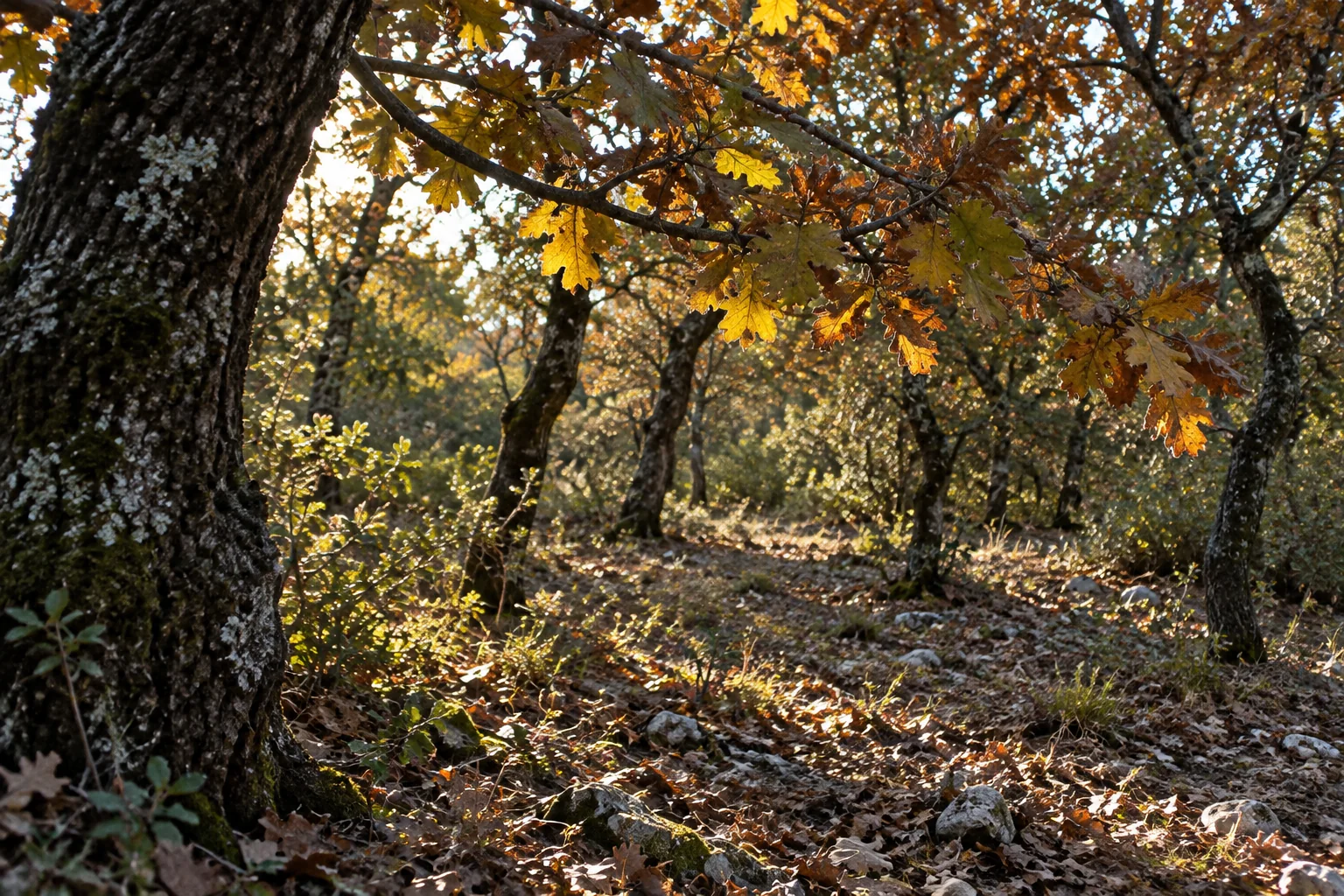
Oak trees or apparently limestone ground are not enough to validate a project. The Hautes-Alpes Chamber of Agriculture describes an assessment connecting the plot’s potential with species, planting stock, preparation and irrigation. Ask locally who can carry out this assessment and what observations or analyses to provide before the visit.
The CNPF also highlights the importance of land history and fungi already present in projects combining trees and truffles. Former woodland and agricultural land therefore require different assessments. Prepare a plot map, previous land uses and visible differences between areas.
A decision checklist before ordering
For each point, record what you know, what needs checking and who can answer. Resolve uncertainties that could change your choice of plot, planting stock or working arrangements. A missing answer becomes a task to complete before ordering.
- Plot: if you cannot explain why the intended species suits the site, seek further assessment.
- Water: if the project relies on irrigation, verify the resource, access, conditions of use and equipment needed.
- Maintenance: if nobody is available for monitoring, pruning and planned interventions, review staffing or the area.
- Plants: if the truffle species, tree species or control information is unclear, request documentation before buying.
- Budget: if the plan depends on a harvest by a specific date, recalculate without that income.
Base plant selection on the assessment
A truffle tree combines a tree and a fungus, so selection must consider both partners and their suitability for the site. Ask the nursery for the truffle species, tree species, batch identification and stated checks. Clarify what the documents actually attest, then compare the offer with the plan agreed with your adviser.
Mycorrhization checks concern the presence of the intended fungus at the plant stage. They do not guarantee a future harvest. The Agroforesteries research and development network’s technical document below distinguishes these points. Keep that difference in mind when comparing sales claims.
Plan work and spending before harvests
Build a budget from quotations for your site: assessment, preparation, plants, protection, any water equipment and contracted work. Separate these initial costs from later maintenance, equipment and labour. Record who does each task, with what equipment and when, then ask your project adviser to review the plan.
Also plan harvesting and what follows: searching with a dog or another method you can use, sorting, storage and intended sales channels. A managed plantation requires work even when no marketable truffles are harvested. Tree numbers alone cannot establish a harvest schedule or yield.
Steps to complete in order
- Describe your goal, available area and the time you can devote to the project.
- Gather a map, land history, analyses and water information, then request a local assessment.
- Choose training that helps you understand and discuss the assessment’s decisions.
- Confirm the plant selection, maintenance plan and quotations for the site.
- Order once the points determining feasibility are clear; otherwise, complete the assessment or postpone.
Use a visit to prepare your questions
During a grove visit, observe the layout and ask how interventions were chosen. Record questions for your adviser instead of transferring the methods directly to your plot. In Suze-la-Rousse, La Truffe française’s workshop introduces searching with dogs and truffle tasting; assessment of your land requires separate technical support.
Sources and references
- Chambre d’agriculture des Hautes-Alpes : Diagnostic trufficulture
- CNPF Bourgogne-Franche-Comté : Sylvitrufficulture
- RMT Agroforesteries, Agroof : Produire de la truffe en agroforesterie
- CTIFL : Certification des plants à vocation truffière
- Le Valentin, CFPPA de Nyons : Programme du module Trufficulture
- Lycée Drôme Provençale : Préparer un projet de truffière