
Understanding truffle growing
Starting a truffle-growing project: from land to planting decisions
A truffle-growing project starts with three decisions: the role you want to take, the time you can give the site and the costs you can cover without a harvest. A visit, training and site assessment then address different questions.
Published on
Updated
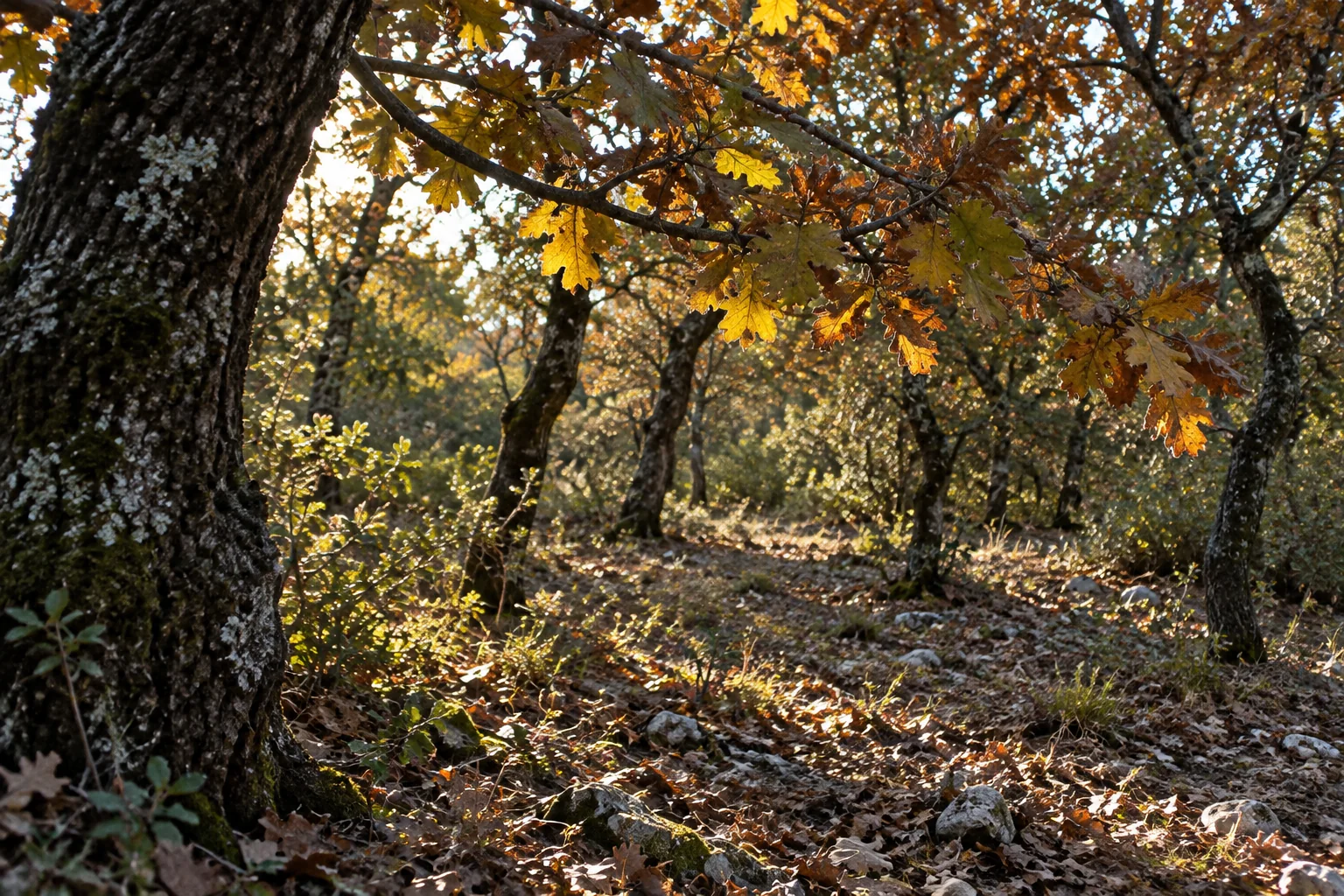
Which work do you want to take on?
Owning land and managing a truffle grove are different commitments. Before discussing planting, decide whether you will handle maintenance, observations and hunting or commission some tasks. Your answer changes the equipment, travel and services needed. The project must fit the time you can actually spend on site.
For farm diversification, consider periods when your existing activity already keeps you busy. For a personal project, assess availability on site rather than free weekends alone. A contractor can carry out a task; someone still needs to choose it, commission it and review the result.
Who should assess the site decisions?
A technical adviser assesses the site's possibilities and limitations; a nursery supplies trees; the project owner decides what to commit. These roles are not interchangeable. For woodland truffle projects, CNPF explains the influence of previous land use and existing fungi. Its regional guidance is not a planting plan to copy in the Drôme.
CTIFL describes checks of the inoculation species and plant mycorrhization. These concern the plant, not your site's future harvest. Once the site has been assessed, our guide to creating a truffle grove helps prepare decisions before buying trees.
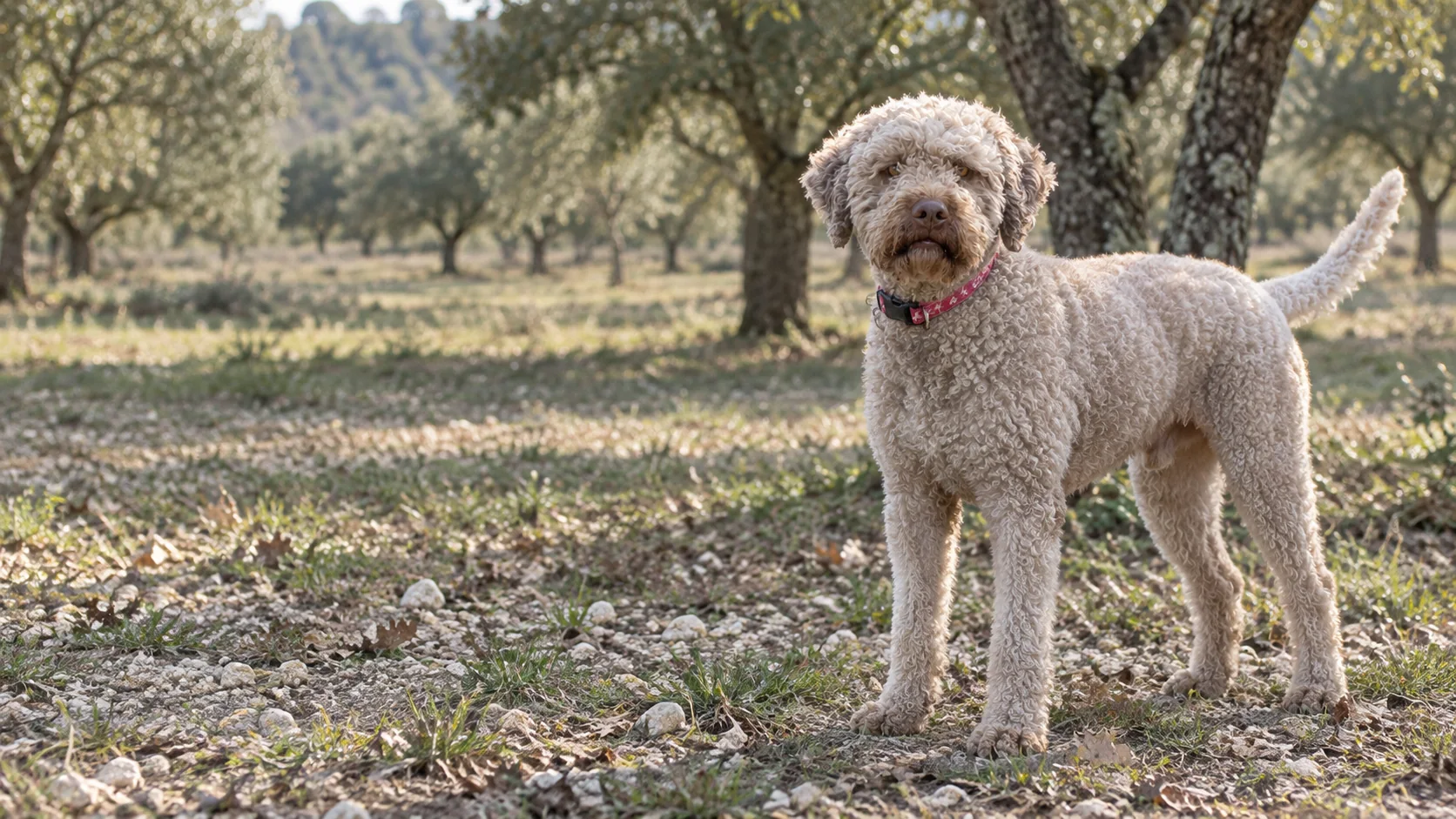
What a truffle hunt lets you observe
A visit lets you compare your idea with a real activity. Our three-hour workshop in Suze-la-Rousse combines searching with dogs, discussion and tasting, by appointment. The report from 16 December 2025 with Pascale and Lala shows a private visit. It documents a hunt, not a plantation's annual yield.
Ask which tasks come before and after the search, who performs them and how observations inform decisions. You will leave with questions about your own arrangements. The workshop remains a discovery visit: it includes neither an assessment of your land nor a qualification or harvest promise.
When technical training becomes useful
Training becomes useful when you can identify what your role requires you to learn: understanding plantation monitoring, performing a task or discussing findings with an adviser. Lycée Drôme Provençale describes classroom work and grove observation. Our training guide covers choosing a provider and checking its conditions.
A course alone does not determine how to manage your land. The CulturTruf research presented by INRAE in 2017 highlights the effects of both water shortage and excess. It explains the importance of the environment, not a universal irrigation schedule. Local decisions still require assessment with the site's specialist.
Fund the work without relying on a harvest
Costs continue after planting: maintenance, monitoring, water, travel, repairs and contracted work. Obtain costs where possible, then record how you will cover expenses for the period you want to test. An unknown cost still needs investigation; it is not zero.
Recalculate the budget without truffle income. This exercise does not predict when production starts; it reveals dependence on an uncertain harvest. A shop's retail price cannot establish farm income: actual production and selling arrangements are among the missing information.
Choose the next step
If the activity is still new to you, begin by observing and defining your role. If you have land, have its suitability assessed before committing to planting. If assessment and arrangements are advanced, have the decisions and funding reviewed. The next step should resolve an open question, not merely fill a calendar date.
When enquiring about a discovery visit at the House, mention your project and the topics you want to discuss during the hunt. Keep technical assessment and investment decisions within their own processes. A visit can help you decide to explore further; it does not approve a planting project.